Affiliate Disclosure: This site may contain affiliate links. When readers purchase through these links, we may earn a commission at no additional cost to them.
1000 Grit Sharpening Stone: Is It the Right First Stone?
A 1000 grit sharpening stone is the standard first whetstone because it can make a normal dull kitchen knife sharp without jumping straight to polishing.
How to Tell If 1000 Grit Is the Right Starting Point
Use 1000 grit when the knife still has a usable edge shape but struggles with tomato skin, onions, or clean paper cuts. It is not the right first step for chips, a broken tip, or an edge that reflects light along large flat spots. Those problems need a coarser abrasive or a repair service.
When 1000 Grit Is Enough
- The knife is dull but not chipped.
- You want one stone for regular kitchen maintenance.
- You are learning freehand technique and want clear feedback.
When You Need Something Else
Use a coarser stone or diamond plate for chips and major repairs. Use a finer stone or strop only after the edge is already sharp.
First Step for a Beginner
Start with one ordinary kitchen knife, soak or splash the stone according to the stone type, and mark the bevel with a permanent marker. Make a few light passes and check whether the marker is removed at the edge. If the marker only disappears high on the bevel, your angle is too low. If it disappears only at the shoulder, your angle is too high.
What Can Go Wrong
- If the knife gets scratched high above the bevel, your angle is moving too much.
- If the edge never improves, you may not be reaching the apex.
- If the stone rocks or slides, stop and fix the base before continuing.
- If the stone dishes in the middle, flatten it before judging your technique.
What to Buy and What to Skip
A stable holder or non-slip base is more useful than a polishing stone on day one. Skip expensive finishing stones until you can reliably sharpen on 1000 grit. If you want less setup, choose a splash-and-go stone. If you want the lowest entry cost, a combination stone is acceptable as long as you understand it may need more flattening.
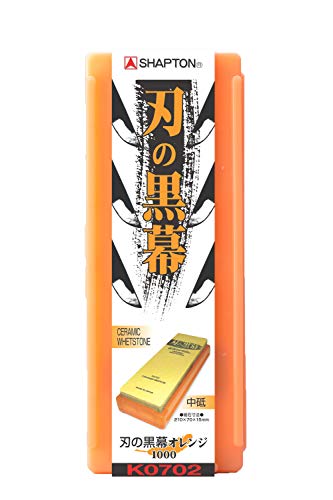
Shapton Kuromaku 1000 Whetstone
A splash-and-go 1000 grit stone often recommended as a serious first stone for kitchen knives.

King KW65 1000/6000 Combination Whetstone
A budget-friendly soaking stone with coarse and polishing sides, useful as a low-cost first whetstone kit.