Local knife sharpening is convenient if you have a trusted sharpener nearby and only need an annual reset. Buying a home sharpener makes more sense once you own four or more kitchen knives and want to restore a crisp edge in two minutes without driving across town or mailing blades away.
Best Home Alternatives to a Local Knife Sharpening Service
| Product | Best For / Role | Price | Pros | Cons | Action |
|---|---|---|---|---|---|
| Lowest Break-Even Cost | $50-65 |
|
| Check Price | |
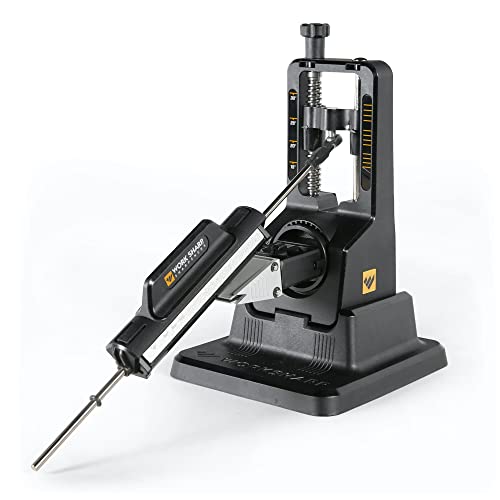
| Best Precision Alternative | $55-70 |
|
| Check Price | |
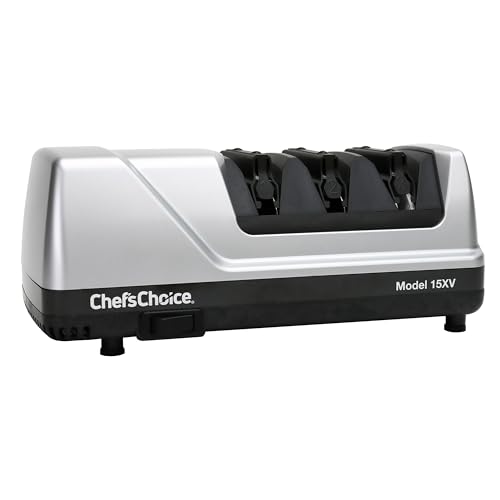 Chef'sChoice Chef'sChoice 15XV Electric Knife Sharpener | Best Heavy-Duty Home Machine | $150-180 |
|
| Check Price |

Decision Table
At $8 to $15 per blade (plus drop-off time or return shipping), sharpening a six-knife kitchen block locally costs $50 to $90 per visit. Here is how a professional drop-off service compares against owning your own tool:
| Factor | Local sharpening service | Buying a sharpener |
|---|---|---|
| Best for | Repair, resets, occasional sharpening. | Regular kitchen maintenance. |
| Learning cost | Lowest; someone else does the work. | Depends on electric, guided, or stone setup. |
| Long-term cost | Adds up per knife or per visit. | Higher upfront, lower per use. |
| Risk | Depends entirely on the sharpener's skill. | Depends on your tool choice and technique. |
How to Judge the Real Problem
If your knives are just dull, a home sharpener can make sense. If they are chipped, badly uneven, or expensive knives you are nervous about, a good local sharpener may be safer for the first reset. After the edge is restored, home maintenance becomes easier.
When a Local Service Makes Sense
Professional sharpening services are at their best when a blade has structural damage—such as a broken tip, deep edge chips from hitting bone, or a thick bolster that needs thinning on a water-cooled wheel.
- You have damaged knives that need repair.
- You only sharpen once or twice a year.
- You do not want to learn angle control.
When Buying a Sharpener Wins
- You cook often and notice dull edges every few weeks.
- You own four or more kitchen knives.
- You want to touch up edges before they become frustrating.
Chef'sChoice 15XV Electric Knife Sharpener
A countertop electric sharpener for home cooks who want fast, repeatable results and do not want a sharpening hobby.
- ✓Three-stage electric sharpening path
- ✓Diamond abrasive stages
Cost Rule of Thumb
If a service charges per knife, a household with several knives can spend the price of a solid home sharpener in a few visits. The tradeoff is that a service may still be better for heavy repair work.
Common Mistakes
- Buying a sharpener before deciding whether you want speed, control, or skill-building.
- Paying for local sharpening, then letting the knives get fully dull again before any touch-up.
- Using a cheap pull-through sharpener on knives you care about.
What to Ask a Local Sharpener
Ask what equipment they use, whether they sharpen by hand or machine, and whether they match the existing angle. A good answer matters more than a cheap price. If they cannot explain how they avoid overheating or over-grinding the edge, be cautious.